
HISTORY
Blazing Trails: The History of CRR
Crooked River Roundup is a Prineville/Crook County event, first and foremost—the heritage of Prineville, the Cowboy Capital of Oregon. Throughout the years, every person who has served on the Board of Directors, every community member who has volunteered to help develop the facilities or sell tickets, and every participant has helped lay the foundation for this celebration. Without them, we never would have made it this far.
The Roundup’s accomplishments have been remarkable, contributing so much to our communities. The current fairgrounds were deeded over to the citizens of Crook County by the Roundup in 1972, and many local groups have generated income from the Roundup either through concession booths or contracted services. So, CRR is about more than horses and bulls, races and rodeos; this event is about our community and our heritage...a heritage born of sagebrush and juniper trees, and based on prize stock from local ranchers and working cowboys who could ride as well as any in the world. The Roundup is alive and kicking high as it makes its way into its first full century.
As you read this history, please note that in no way was any one rodeo, Director, planner, or event intentionally not included. Sometimes we had to sort out conflicting details, and sometimes we just didn't know about (or were unable to research) certain events. We tried to list as much history as possible here—material that was prepared originally for CRR’s 50th Anniversary in 1995.
A Golden Look Back...
The corrals at Pringle Flat near Camp Creek and ranches near Paulina and Post laid the groundwork for many early-day roundups, as area ranchers and cowhands pooled their efforts to gather their cattle and separate them before winter. Between 1916 and 1926, an October roundup brought these local cowboys together—men who made their living on the open range, like Billie Rae, Roy Gray, Roy Ritter, Lance Smith, Frank and Sumner Houston, Jim and Frank McCoullough, Lester and Frank Morgan, and many others. These were the rodeo’s first participants in Prineville.
The Houston brothers were both good riders. Frank went on to win the Cheyenne Frontier Days Rodeo in Cheyenne, Wyoming, and while Sumner lost his hand in an accident, he still was an excellent rider. You can trace horseracing in Prineville as far back as 1880, and at that time a half-mile track was laid out south of town, near where Stewart Dam is located. Carey Foster said that races were sometimes held directly down 3rd Street.
Around 1900, a mile-long track was built where Crook County High School now stands and, in 1903, another track was built on the ground where the current fairgrounds are located. It was then the initial Fair Association was formed. Then, in 1915, the Fair sold half of the ground, and the track was reduced to its current half-mile oval.
J.B. Shipp and Gardner Perry owned and operated the grounds until 1935 when Perry sold to M.D. Spreckles Jr. of San Francisco. In 1936, Harry Walters bought it and then, in 1940, he sold to Robert Lister of Paulina, who in turn sold the grounds to Warren Raymond. In 1945, when the Crooked River Roundup and Fair Association was formed, they purchased the ground from Mr. Raymond.
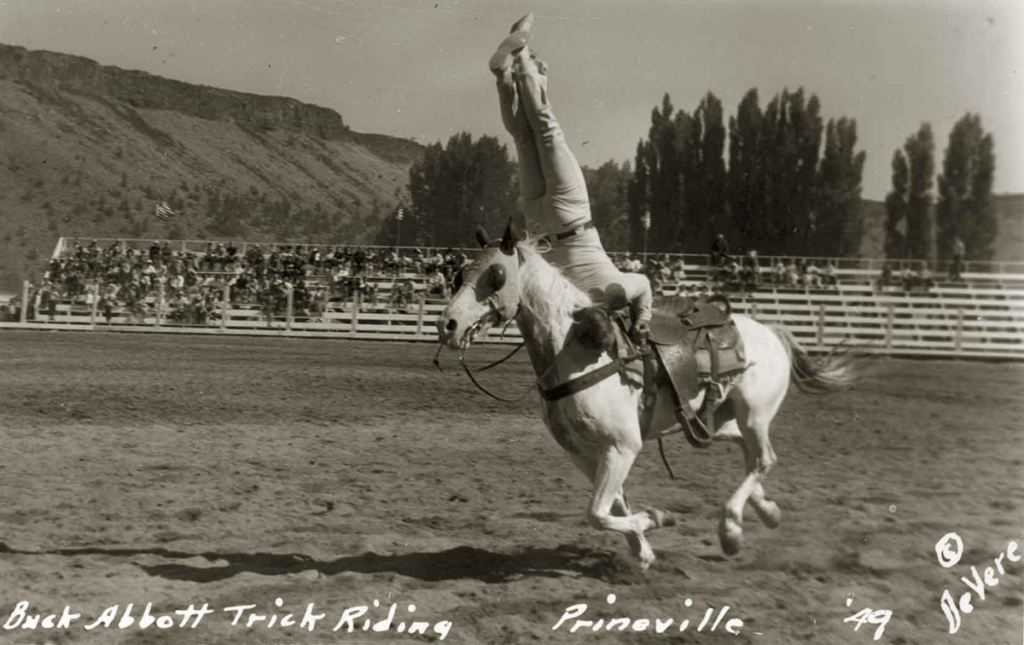
During the war years there had not been any rodeos, but in 1944, using $320 and a lot of ambition, a group of local ranchers decided that Prineville needed a top-notch rodeo and decided to put one on. Jess Cain lent $1,000 to the cause, and Max Barber was contracted to provide stock. Two weeks before the show, he sold his stock…but as luck would have it, another contractor, Pat Fisk, was able to provide the stock for $1,500. Lew Lynn, a local auctioneer, took on the role of rodeo clown and Lance Smith took charge of repairing and remodeling Cain Hall. When the rodeo was over, it had been a financial triumph with a whopping $850 in profit.
Riding on Initial Success
After such a grand show, the founders decided to make it a yearly event and to sell 120 shares of stock at $100; Jess Cain sold all of the shares in six weeks. Since they needed a permanent site for the Roundup, they purchased the present grounds from the Raymonds for $11,000 cash. On September 2 and 3, 1945, the First Crooked River Roundup and 4-H Club Fair was held. At that point, Orville Yancey was elected Chairman and Jess Cain was Treasurer. Jerry Breese was a member of the original Board of Directors, and was the only member of the original Board still living during the Golden Anniversary days.
Christensen Bros. of Eugene provided the show stock and conducted the performance, and a parade ran downtown every day of the rodeo at 10 am. Some fun facts:
- The first Roundup Queen was Fay Phillips, who was selected based on the number of tickets she sold.
- The American Legion started the tradition of raising the US flag, as they have at every Roundup performance since.
- The Rimrock Riders presented a five-minute drill each day.
- The girls from the High School Pep Club served as ushers.
- A bridle horse contest, cow cutting, and 4-H Club Fair were held during the two days.
Honoring Jess Cain—The Father of CRR
For eight years, Jess Cain served as Treasurer and General Manager. At 83, he was the honored guest of the 13th annual event and still is referred to as the Father of the Roundup as he was instrumental in establishing the professional rodeo in Prineville. The following is an excerpt from "The Pioneer Story" by Elsie Stover, published in 1950.
In 1945, Jess and Ina Cain moved to town, to Prineville. Sonny and his wife stayed on the ranch. It looked at first like Jess might be through actually handling cattle, but not for long. That fall, while they were getting used to living away from the ranch, the talk began to go around that Prineville needed a good, well run rodeo. The talk caught at Jess' imagination. Sure, he was 70 years old, but that didn't seem like very old, not to Jess Cain.
A group of ranchers got together with Jess, they talked and talked some more, and then it was settled. Jess was to manage it, with the life time of skill at managing things for success. So they planned a rodeo out there at the grounds where it is today. There wasn't much in the way of accommodations, but there was a start. Jess got stock from Pat Fisk for the first rodeo and it turned out to be a whopping success.
That fall the Crooked River Roundup Association was organized, and Jess sold the stock at $100 a share. He sold $12,000 worth, enough to build a decent grounds, and get started. The association bought the land, built bleachers, and got set for another year. Each year the rodeo has grown a little; each year it has been better with the shrewd, wise understanding of Jess Cain behind it, watching and making it grow. This year the Crooked River Roundup will be the biggest in its history. From nothing at the start, it now has a value in investment of $75,000. Not a cent goes to cash profit. All has been put into the place itself. As proud a record as there is anywhere, tribute to the proud spirit of the man behind it.
The First Fifty
1940s:
In 1946, the fairgrounds got a major face lift—new bucking chutes, fences, and foundation for the grandstand. Covered seating became available for nearly 5,000 spectators. A city block was dedicated for the 4-H Club Fair and 30 stalls were built for stock. All buildings were repainted white with green roofs. A sawdust arena, built for showing stock, was wet down each day to avoid wind and dust problems. Additionally, the Queen’s contest was changed to 60% horsemanship and 40% ticket sales; that year, Betty Terwilleger (Betty Jo Rhoden) was chosen. The Roundup was two days long at this time, with a bridle horse contest held before the Rodeo. Many locals showed off the outstanding horsemanship and quality of horses during the event. Christensen Bros. furnished the stock and Mel Lambert was the announcer.
In 1947, it was decided that all Directors should dress alike, so 15 shirts were made with bucking horses on the back. That year, the purse was $3,000. By 1993, it had grown to $5,000, and for the 1995 "Golden Anniversary" Rodeo the added purse was $8,250. Purses for the races were closer to $36,000. That same year, arena lighting was mentioned so the high school could have night football games. Robert Lister then suggested they have a night rodeo. In 1948, the lights were installed, and the school district began holding night football games in the arena, which were played on the dirt surface. School revenue increased dramatically due to the night games, and the rodeo Board sent thanks to the local Lion's Club for their help in making night rodeo and football possible.
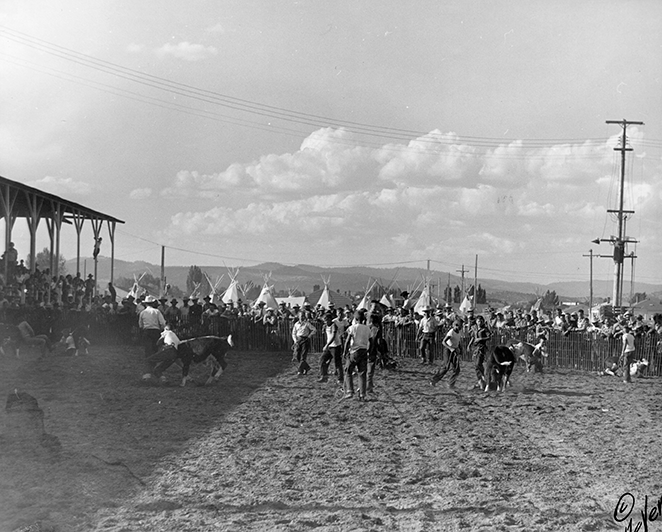
In 1948, the Board issued an additional 100 shares of Roundup stock, with the proceeds targeted toward grounds improvements. The Confederated Tribes of Warm Springs then became a major part of the Roundup, setting up a tepee village during the event, staying in the tents, riding in the parade, and more. Historical notes show that the Indian group was paid $50. The Roundup sponsored two Indian pony races, and they needed to bring 20 tepees, with at least 15 performing in the parade and grand entry. The Roundup increased to three Rodeo performances, with Friday for the 4H Club Fair; Saturday for the parade downtown, cowhorse and bridle horse contests, and afternoon rodeo; and Sunday for a repeat of Saturday’s schedule, excluding the parade.
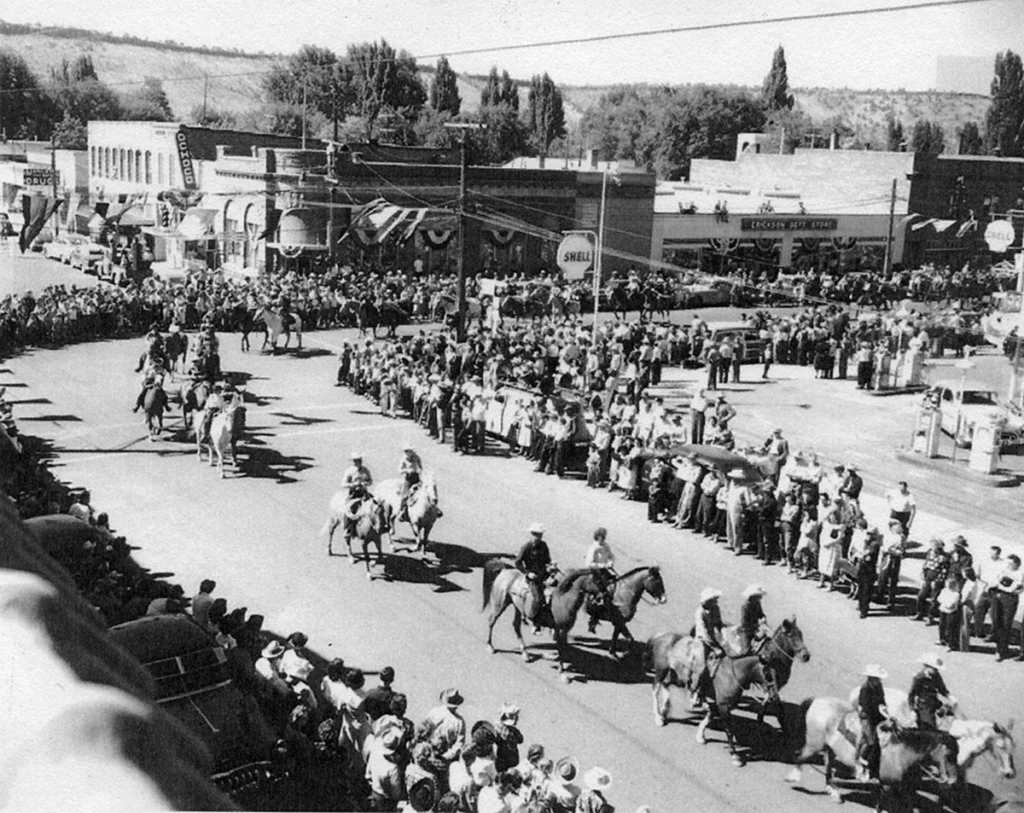
In 1949, it was decided that downtown merchants should decorate the streets; the Roundup purchased flags for future use. All businesses were to close during the rodeo as well. A Buckaroo Breakfast, served on Sunday morning by the local VFW, was eventually taken over by the Prineville Ridge Riders and is still a Saturday night-to-Sunday morning event in front of the grandstands.

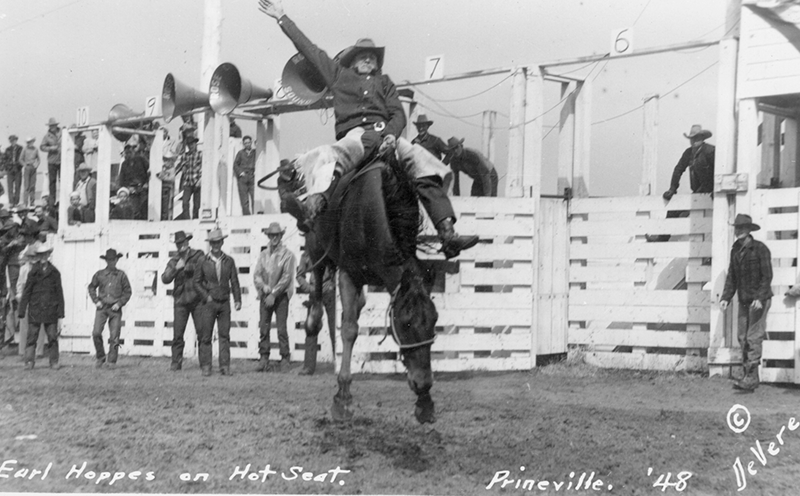
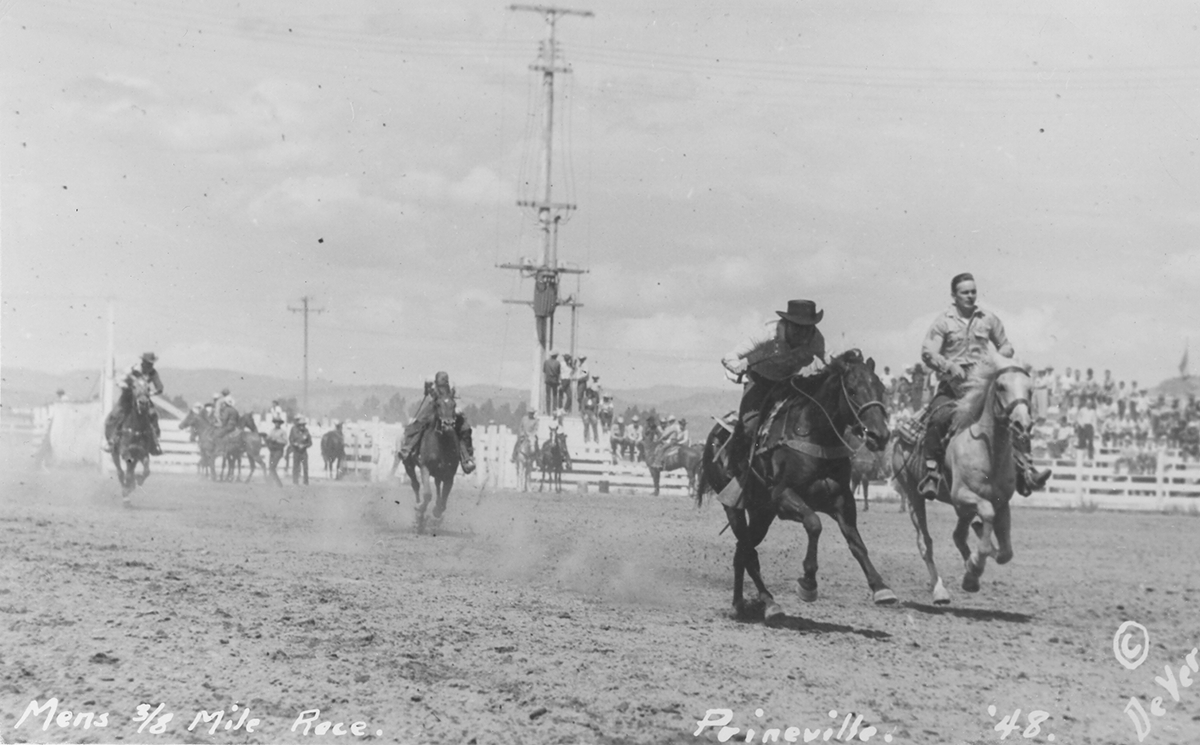
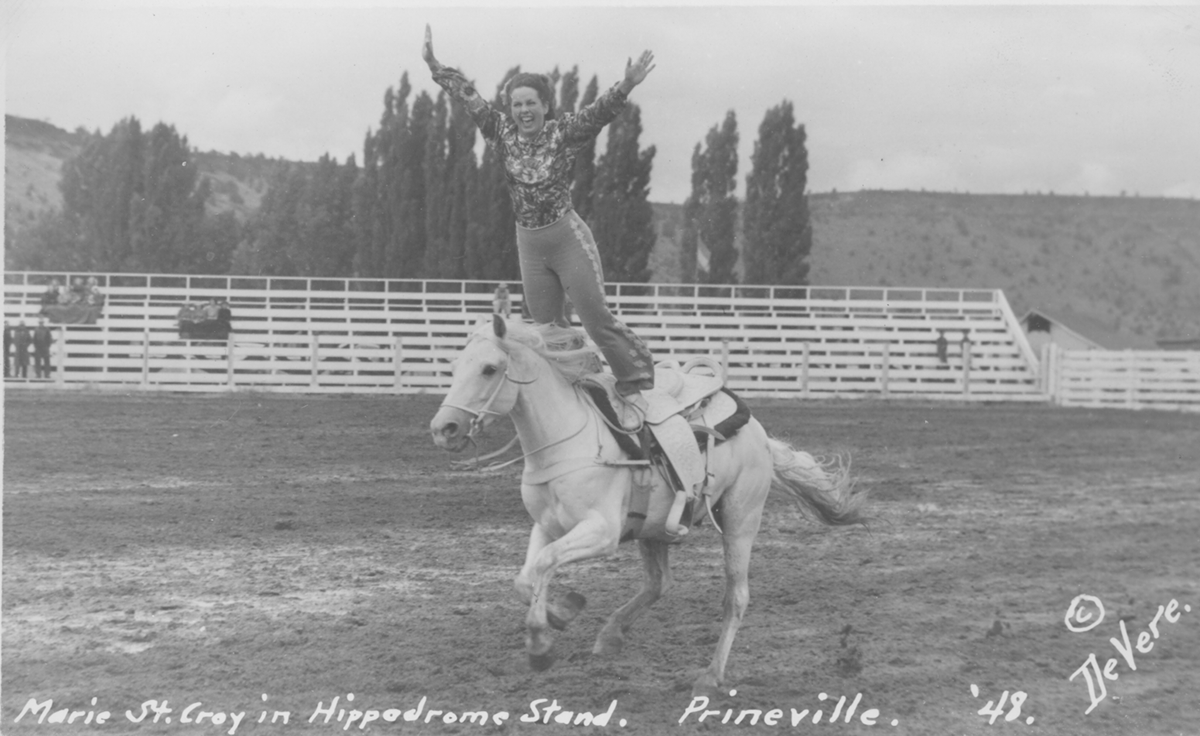
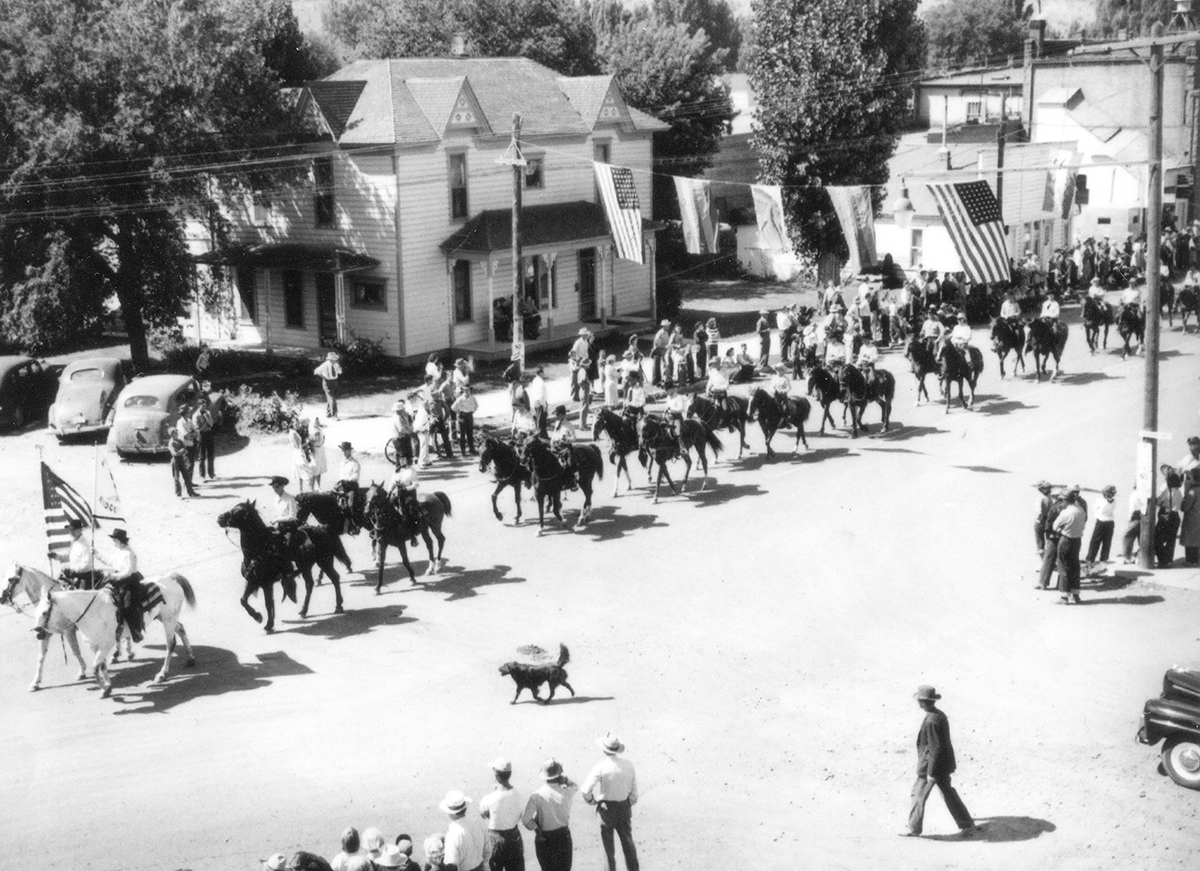
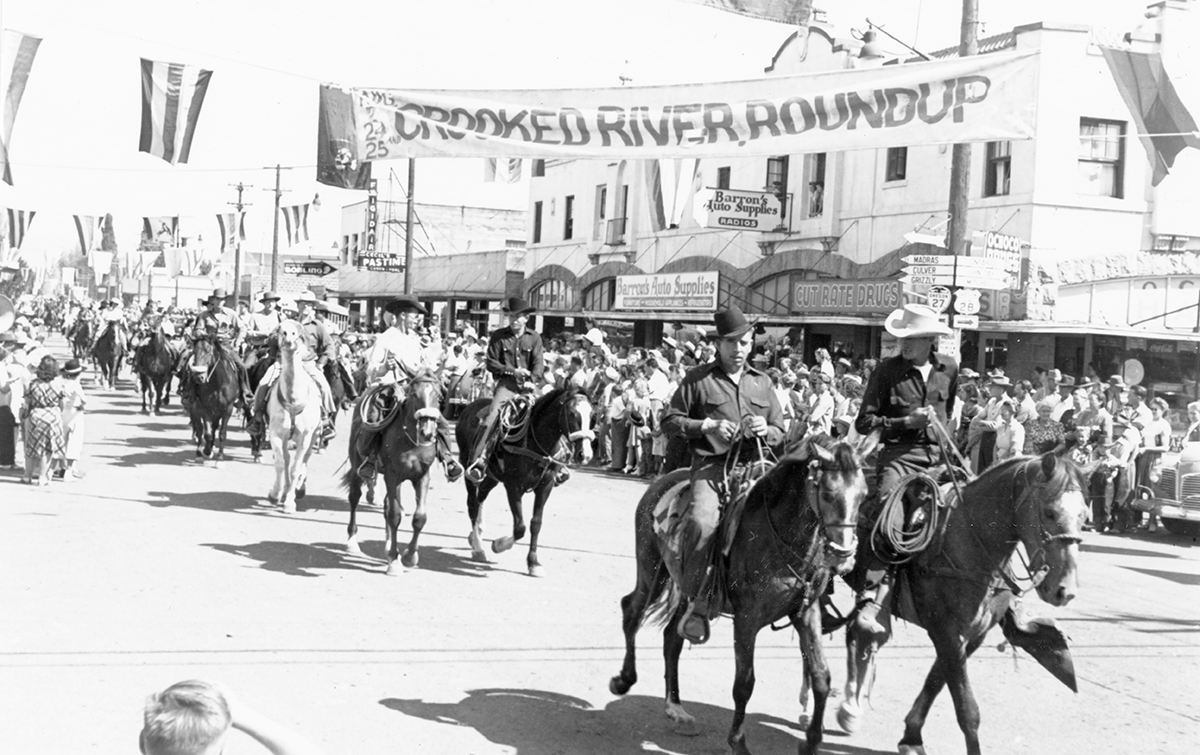
Photo Credits: Bowman Museum
1950s:
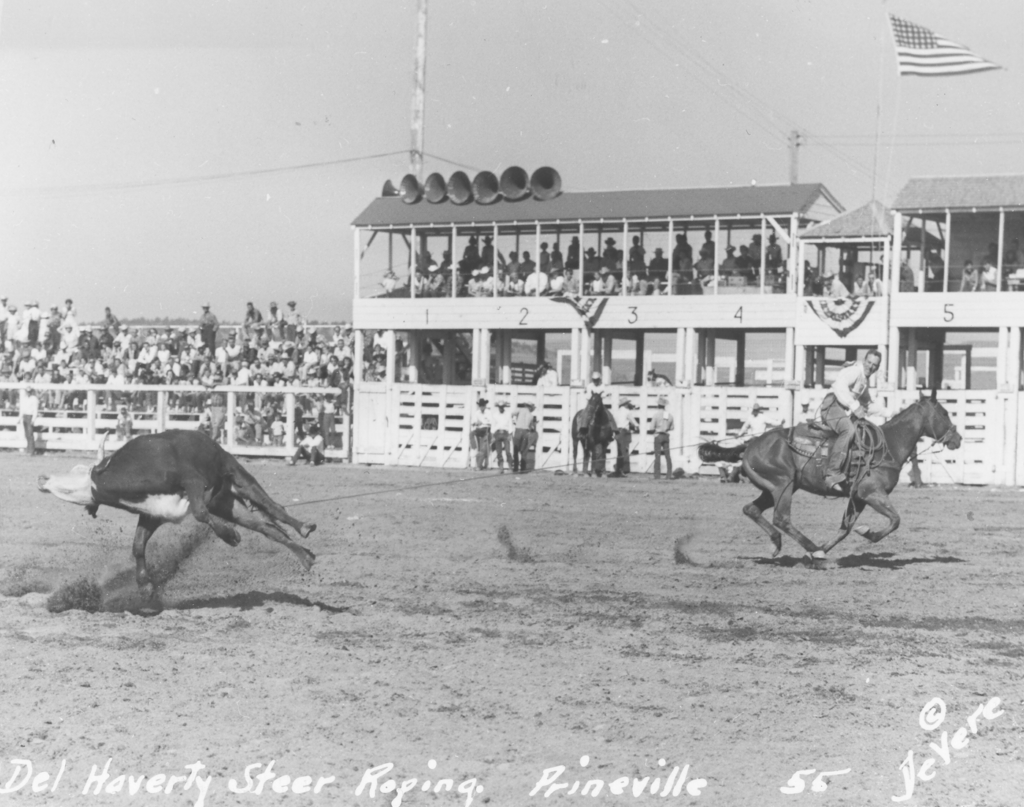
1950 saw the addition of steer roping: The cowboy roped the steer around the horns, the trip was applied, the steer would fall to the ground, and the cowboy would dismount and tie three feet, similar in fashion to calf roping. Steer roping ultimately was discontinued in 1960, replaced by team roping, but then was reintroduced in 1990.
In 1954 after much deliberation, it was decided to split the fair and rodeo. Fred Grimes replaced Jess Cain as manager and the County Fair Board and the Roundup signed a 50-year lease for the 4-H corner of the Roundup grounds. It was figured if they held the Fair and Roundup at different times, each group would have the use of the others’ facilities rent-free…except that they could not interfere with the high school athletic program. At the same time, the Roundup and the School Board entered into an agreement for use of the grounds for football games. They added better arena lights and turf grass, which proved to be a satisfactory surface, though not the same as the dirt that’s common in most arenas. The problem was, regular grass was too slick for the rodeo horses, so the planners tried many different surface coverings to ameliorate this: Sand was poured and then removed before football season, but this didn’t work well. Pine Products then offered to furnish enough sawdust to cover the turf, but this proved to be dirty and slick. Ultimately, in the later “turf” years, it was reworked slightly and kept mostly as-is.
During the late 50s and early 60s, though, attendance at the Rodeo was down and cash flow became a real problem. Splitting fair-rodeo combination had hurt. But Ronnie Raymond made his debut as a saddle bronc rider at the Roundup in 1956, drawing War Paint—one of the greatest bucking horses ever and the one featured on the Roundup logo with Manuel Enos on Board. Manuel had ridden War Paint earlier in 1956 at the rodeo in Redmond and won the event there. The picture that’s used as the logo was taken in 1957 here in Prineville. Shortly after the picture, War Paint won and Manuel Enos ended up in some of Crook County's fine soil.
Additionally, Slim Pickens was clown here before he became a movie great. He dressed as a Spanish bull fighter and called himself Juan-El-Spit-On-The-Floor-El-Cuspidor. When his movie career took off and he could no longer return for the Roundup, he said jokingly the reason was that he couldn't compete with the local clowns. (This was said in reference to his friends Orrin Mills and Lance Smith, who always seemed to be pulling a prank on Slim)
In 1958, there was a Roundup and Western Pow-Wow. The Kiwanis took over the Rodeo programs, and for the first time Queen Gayle Austin also was eligible for the Miss Rodeo Oregon contest.
In 1959, the Roundup became part of the Golden Triangle, comprising Eugene, Klamath Falls, and Prineville. The purse paid $500 to the best All-Around Cowboy of the three rodeos.
1960s:
In 1961, the Golden Triangle finals were held in Prineville, but there was a dispute over who won the trophy, which ultimately caused the breakup of the Golden Triangle group. Thus, the trophy stayed in Prineville for a long time.
During this era, cowboys did not fly from one rodeo to another; some worked for stock contractors and performed in rodeos only on the weekends. Manuel Enos drove a truck for Christenson Bros. and others, like Bob Gatzeman and Harry Noble, lived in trailers and traveled to a different rodeo each weekend with their families. The Board of Directors would spend weeks working before the rodeo, as there were many repairs needed each year as the elements took their toll during the winter and spring. Fences needed fixing, grounds needed watering, horse barns needed cleaning, grandstands needing washing. The now nearly 20-year-old buildings were in constant need of paint.
Such maintenance proved the one constant that would dog the Roundup for the next 10 years: There was never enough money to go around. Planners suggested borrowing $1,000 and cutting the show back to two days. Service clubs that ran concessions were asked to give a percentage of their profits to the Roundup. As money problems continued in 1962, the Friday night rodeo performance was eliminated, reducing expenses while boosting ticket sales for remaining performances.
In 1964, Roscoe Hopper had full charge of ticket sales and held this job for six years. He set up shop in the Bowman Museum, and this downtown ticket outlet, along with his expertise, helped to stabilize ticket sales which in turn stabilized cash flow. That same year, quarter horse racing was added and Hugh Rockwood furnished an electric starting gate, which was a prelude of what was to come.
For 1966, the Roundup saw big changes: Horse Racing—the Sport of Kings—made its official debut, pari-mutuel wagering was offered, and preprinted tickets were sold through windows cut into the back of the Grandstand. After the race started, sales had to be hand-calculated by the volunteers who manned the windows. The impressive sounding "Totalizator Board" was really a large chalkboard used to calculate the odds.
In 1968, the Rodeo made another bold move, marking the first official Roundup Rodeo without Christensen Bros. furnishing the stock as Ronnie Raymond and the Double R Rodeo Co. took over. This facilitated another change: Ronnie felt if the Board of Directors would move the Rodeo from the first week in August to the second weekend in July, the Roundup would be able to draw more contestants who were scheduled to be in the area for some large 4th of July shows. This idea paid off, as entries to the rodeo increased. As a tremendous cowboy and a darn good promoter, Ronnie brought in some excellent stock, and the 1968 show was of great quality. He furnished stock for the Roundup until 1977 when he quit the contracting business to pursue other interests. Ronnie used a horse by the name of Rocky to pick up bucking horses. Rocky was special in that he was an NFR bucking horse as well. In fact, at one show, there was one too many teams entered in the mad scramble, thereby exceeding the number of wild horses in the chutes. To solve the problem, Ronnie offered to let them use Rocky with a flank strap. The seemingly gentle saddle horse looked darn good to the young men on the team, so they agreed. Rocky, an old pro at the game, made quick work of the team, and Ronnie resaddled Rocky and proceeded to pick up bucking horses. Ronnie remained a supporter of the local shows, both the Roundup and the Paulina Rodeo, until his death in 1994.
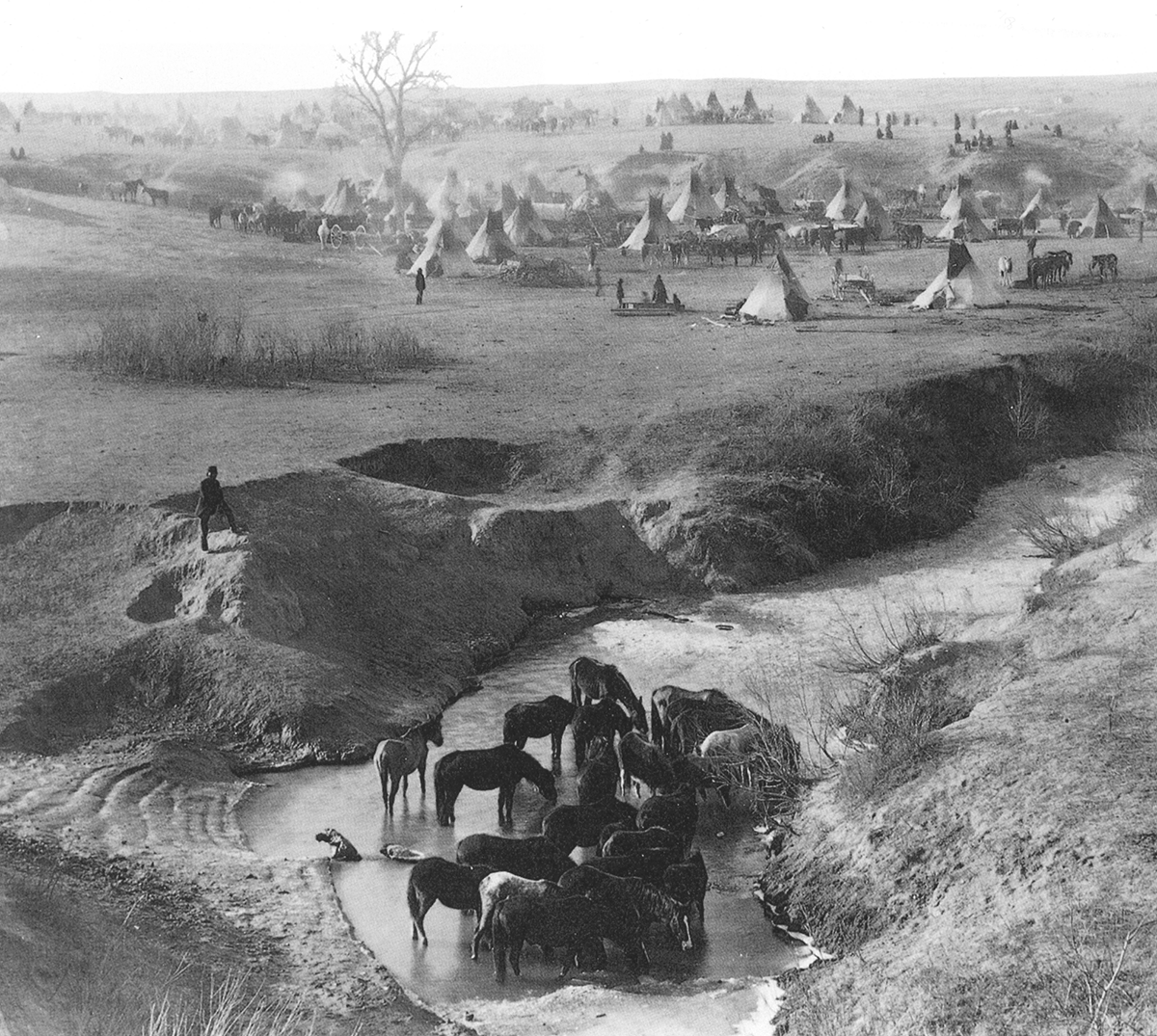
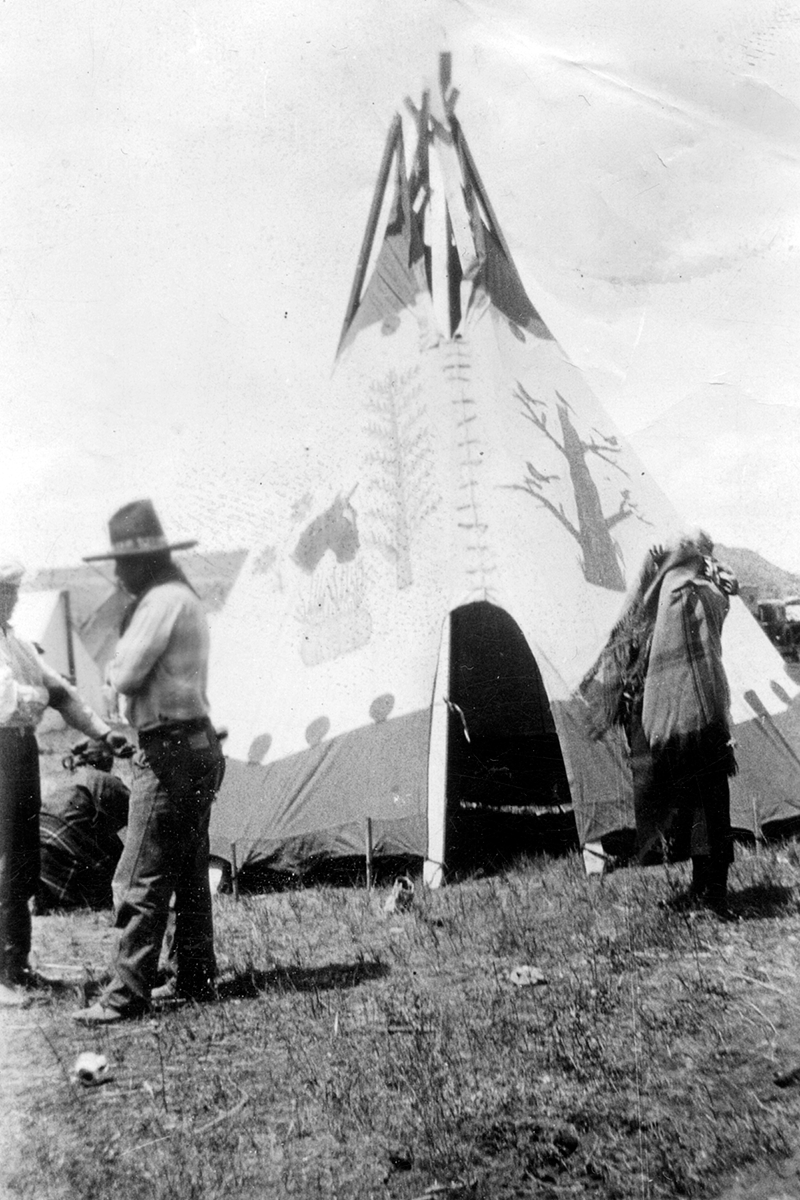
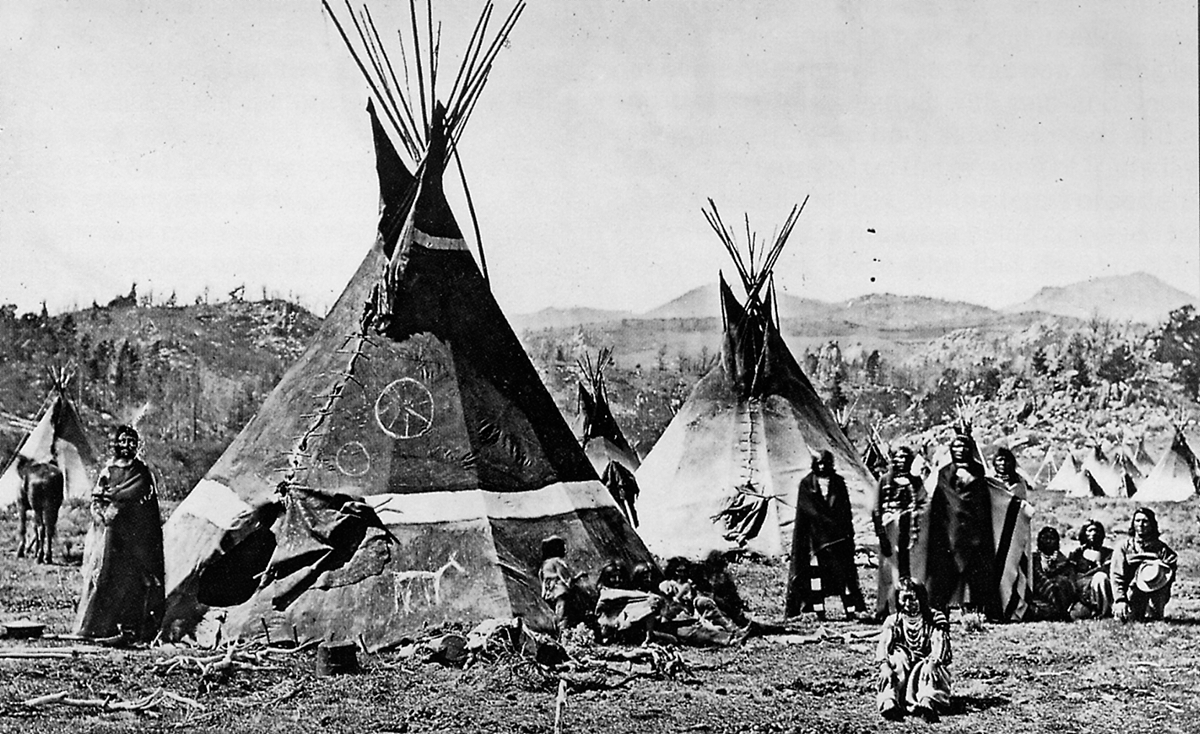
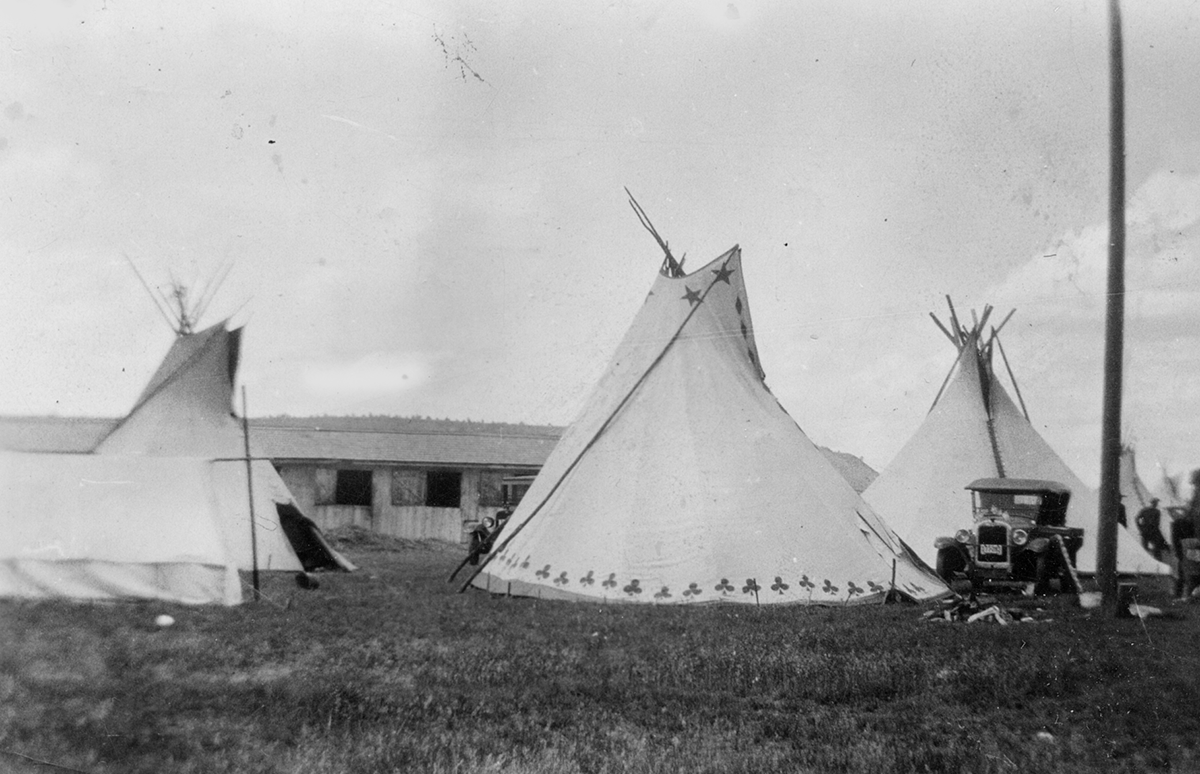
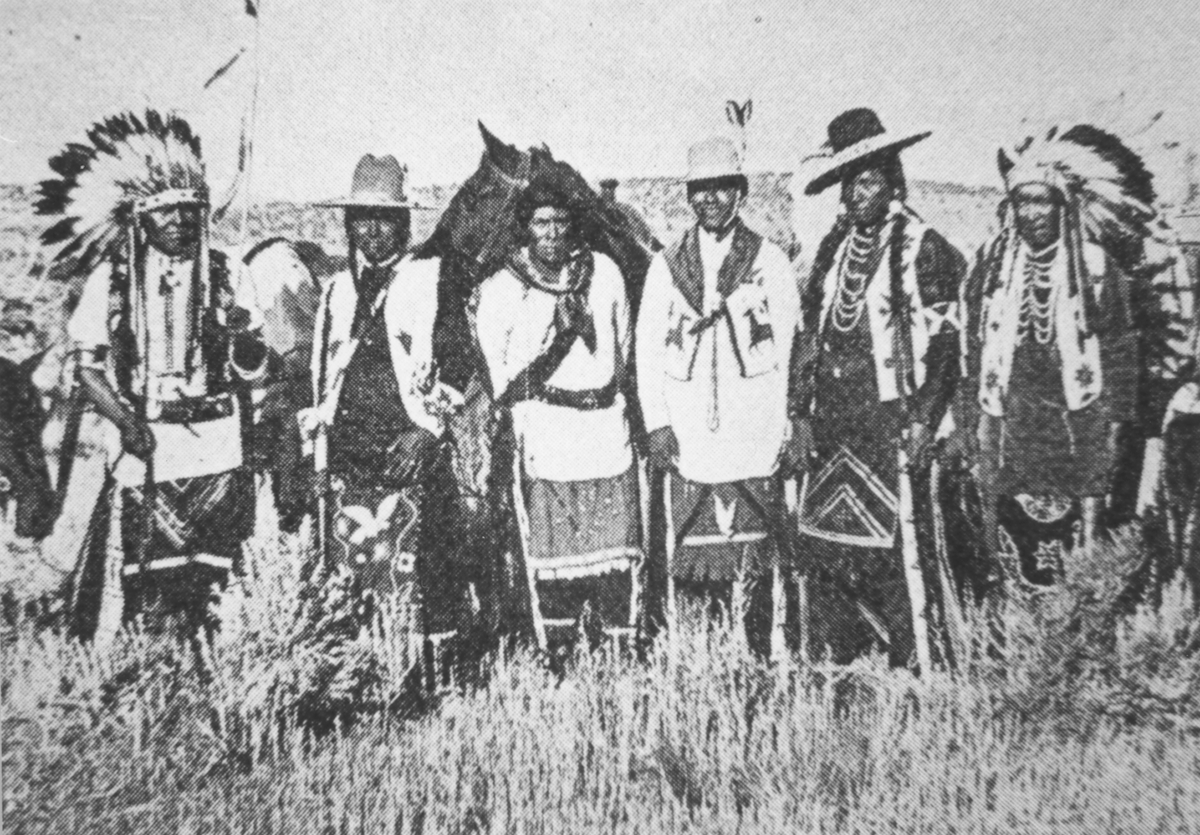
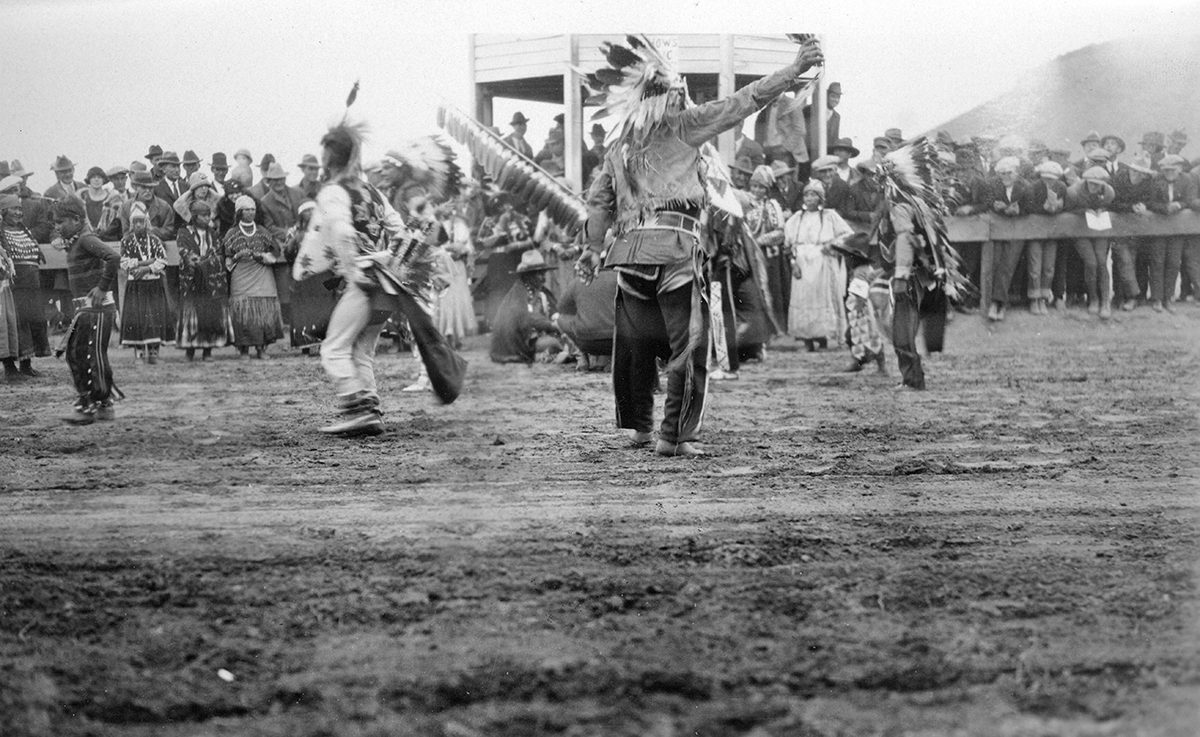
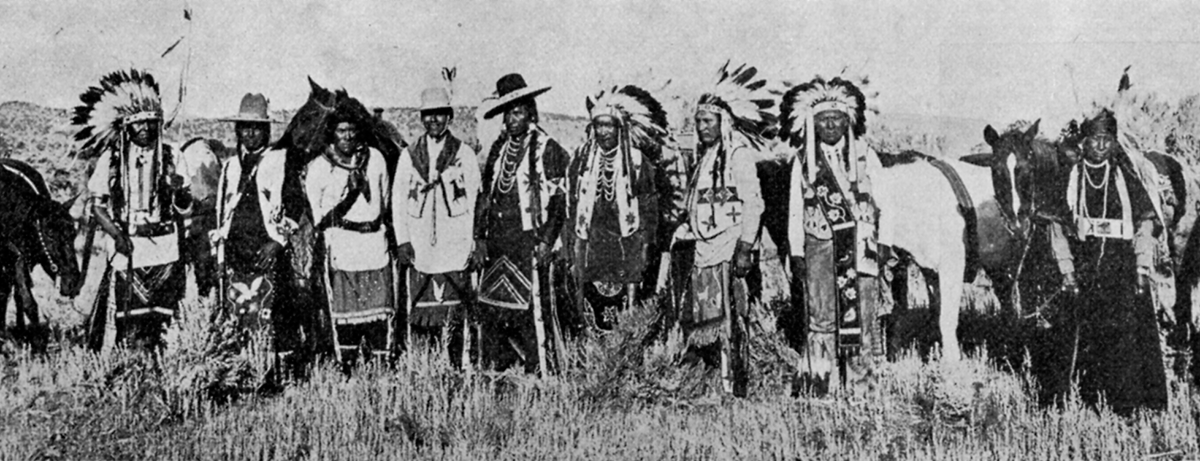
Photo Credits: Bowman Museum
1970s:
During the 1970s, the Board worked hard. Racing improved and finances were no longer as much of a burden to the Rodeo although the grounds were in constant need of improvement. The Roundup made another bold move in 1972, when laws were being changed in Salem to force non- profit organizations to pay property taxes. The Board was facing certain bankruptcy unless something could be done as cash reserves were nil. It was proposed to deed the Roundup grounds over to Crook County at low cost; in return, the Roundup would get five years of free rent and the community would get the grounds to develop and operate on a year-round basis. This would allow the grounds to be open to the public, as the Roundup had been forced to close the gates much of the year due to financial constraints. Further, Crook County had access to Federal- and State grants and revenue-sharing programs that could help update the facilities. This could never have happened if the Roundup kept the deed; it was a smart move and, frankly, the only viable choice the Directors and Stockholders had at the time.
In the fall of 1973, the Crook County Cowboys played their last football in the “Cow Palace” and moved to the new Ward Rhoden Stadium in the fall of 1975. (In 1974, football games were held on Saturday afternoons at the high school practice field.)
By 1978, the Roundup planners chose Joe Kelsey of Tonasket, Washington, as the stock contractor. Joe brought in a group of great bucking stock and one of the notables was a bull named Red One, which was selected as the top bucking bull of the country one year. Joe and Sonny Kelsey again brought a higher level of professionalism to the show.
Another extraordinary set of circumstances took place in 1979 when the County acquired a grant to build a first-class indoor arena on the grounds. This would allow for more indoor events and full, year-round use of the fairgrounds. Originally, the plan was only to build an indoor arena, but as it was being designed, problems were found with the existing wooden grandstand. Dry rot had left the northernmost portion of the building in danger of possible collapse if filled with people. The county made a big decision under the leadership of Judge Dick Hoppes: The old grandstand would be torn down, the indoor arena project scaled back, and the leftover funds used to build the new metal grandstand. Design decisions were made as quickly and cost-effectively as possible. Work began in early spring and progressed at a frantic pace, as there were a lot of other things to be completed that were outside the contractors’ scope. Crook County, the Fair Board, and the Roundup worked together to build a new Jockey's Room, Paddock, and Pari-Mutuel building. Food booths had to be moved to fit the new layout. The grandstand was repositioned from the racetrack, so about half of the track required rebuilding. Lighting had to be redone as well since most races were run after sunset. There was much to be finalized and not a lot of time before the show.
Snoden DeBoard was President of the Roundup that year. Snoden, Duaine and Mike Mizer, Art and Doug Smith, Jerry Sitzman, Pete Sturza, Von Thompson, and many other Directors and volunteers worked every night and every weekend for what seemed like an eternity to get the facility in shape. Regular meetings were held weekly to oversee progress and plan direction for the following week. At one such meeting, barely a month before the show, a motion was brought before the Board to cancel the 1979 Roundup. Before the vote was taken, Snoden and the gang left the meeting and got back to work with preparations for the show. The work got right down to the wire: On Saturday, two weeks prior to the Roundup, a work party was held with a request for community help. About 50 people showed up in the cold and rain but kept at it all day. One volunteer in particular really made an impression on the Board: Cecil Sly. He was retired, older than most of the others working that day, but showed the energy of someone half his age and kept pushing the rest to get one job after another done. That Saturday, the outside fence on the racetrack was completed, the box seats were replaced in the grandstand, the Pari-mutuel Room was finished, the track lighting was redone, and the arena fencing was reestablished to the point that the rodeo could be held. After that one Saturday with Cecil Sly and a group of volunteers, we realized there was nothing this community couldn’t accomplish if we all put our heads down and made it happen.
The 1979 rebuild ended with a local contractor, Prineville Electric, finishing the wiring of the grandstand track lights after the racing card on Wednesday had already begun, but Archie Hollis and his crew had the lights working by dark. The Rodeo and Races were held in what is still the finest facility east of the Cascades.
After the rebuilding, there were still some problems remaining with the facility. With the new grandstand, the bucking chutes now were too far away and the stock corrals were in poor shape and needed to be relocated behind the chutes. Again, the Roundup made a big commitment and began to tear down the old bleachers and the existing corrals. The Board and many other volunteers began to rebuild the east side of the facility. The Roundup donated materials and a modern wire-feed welder to the high school and students built frames for the new portable bleachers. Ochoco Lumber Company discounted materials for seats and corrals, providing us new pens and portable bleachers at a fraction of normal cost.
1980s:
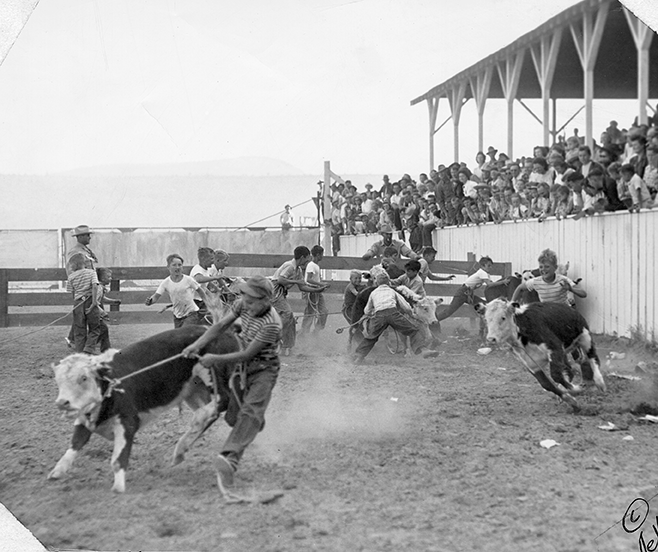
During the 1980s, many new events appeared. Nathan Puckett initiated a Sunday animal scramble in which all kinds of animals were released in the arena, with several hundred youngsters trying to catch them. Then, in 1986, the Board of Directors expanded to 17 members. This year also saw the beginning of the Beauty and the Beast contest, incorporating the Queen's selection with a team branding contest; this drew good crowds and helped offset the cost of renting the indoor arena. Concurrently, there was a concerted effort to bring the Roundup downtown for the people of Prineville. The Saturday before the show, the Roundup blocked off Main Street between North 1st and North 3rd and set up an old-time town complete with blacksmith's shop, jail and, of course, saloon. The day was topped off by the Dusty Chaps Gang holding up the bank (the old Bank of Crook County, which is now the Bowman Museum). The desperados made off with the loot, but trusty sheriff Jim (the honorable James O. Smith) returned the two ringleaders and held them in jail. The local youngsters then tormented these hoodlums until the rest of the bad guys returned and broke them out of jail. Later that same day, the Dusty Chaps Gang (aka the Roundup Renegades) held up the Crooked River Dinner Train. And finally, in 1989, the Roundup purchased and moved 40 portable stalls from the Jefferson County Fairgrounds to Prineville. This made it possible to house all the race horses in actual stalls and also helped to make the Fairgrounds the Horse Capital of Central Oregon since Prineville now had the only facility equipped for large horse events.
1990s:
In 1991, the Roundup Association started a contribution of $1,000 over five years to the Prineville Hospital Building Fund and also experienced a big year for fairground renovations. Through connections with other Oregon racetracks, the Roundup received enough donations to relight the track. Further, they cut a deal with Crook County to trade donated power poles for enough 6x6 timbers to build the livestock events center. The power poles were used on the race track and both groups ended up with exactly what they needed. The box seating in the main grandstand also was replaced: Back in 1979, when the new grandstand was constructed, it used funds from the indoor arena project but there was no money left to replace the box seats, so the old ones were just put back into place. Again, in cooperation with Crook County, the Roundup Association had frames built by Midway Equipment Co. and bought lumber from Ochoco Sawmill, with the Roundup Board and other volunteers installing the seating. Thus, the fairgrounds ended up with top-rate seating and the cost to Crook County was minimal.
In 1992, the Roundup and the Prineville Fire Department worked together to solve a potential communications challenge during race meets. Directors wondered: If a problem occurred, how would racing officials contact an ambulance and get it where they needed as quickly as possible? Since the Fire Department also had a need for more portable radios in general during the rest of the year, they put their heads together: The Roundup donated $2,000 for the purchase of portable radios and the Fire Department then made them available to the Roundup for use during the races and rodeo.
There were many happenings in 1993:
- The paddock was rebuilt, with Crown Pacific Sawmill donating the lumber and the Roundup furnishing the labor.
- The Roundup and the local American Legion Baseball Team began their relationship, with the Roundup becoming the team’s major sponsor and the team helping the Board prepare each year.
- They retired the old Roundup flag to the Cowboys Then and Now museum in Portland. The flag still proudly hangs, reminding all who see it of the unique history of our event.
- A notorious band of honeybees tried to make Cain Hall their permanent home. After numerous attempts to lure them away, putting contracts out on them and implementing dead-or-alive-type tactics, it was decided that Cain Hall was not worth saving, so the rodeo office was moved into the Pari-Mutuel Building and Cain Hall was demolished. Take *that*, bees.
- The 100th anniversary of the Meek Wagon Train was celebrated, with participants arriving into Prineville through the Fairgrounds. This group also joined in the Roundup parade, resulting in one of the longest parades ever.
Finally, pride was running high in 1993 and 1994 as "Miss Rodeo Oregon" for both years was a former member of the Roundup Court: Michelle Holliday in 1993 and Kitty Sharp in 1994. Also in 1994, the Roundup was excellent in many ways but also rather sobering in others. Improved equipment used to work the track made for exceptional horseracing, and changes in the rodeo made for an excellent show, with new announcer Zoop Dove bringing much to the program. But on Wednesday night, shortly before the show was to begin, tragedy struck in Glenwood Springs, Colorado, as nine members of the Prineville Hot Shot crew lost their lives. The 1994 Roundup was dedicated to them and to the community that mourned their loss. Seemingly every person who attended the Roundup, parade, or races was touched in some way by the tragic loss. Many dignitaries attended the annual parade, including the governors of Oregon and Colorado. Now and forever, the loss of these young people will be what was remembered the most that year.
The Roundup’s Golden Anniversary in 1995 unveiled more changes: A new sound contractor provided a state-of-the-art computerized scoreboard for the show, sound was greatly improved with a professional technician on duty during every event, and Zoop Dove returned as rodeo announcer along with Growney Brother's Rodeo Livestock. We also saw the first Roundup rain in many years, with a regular downpour during the Sunday rodeo performance. The races had been held under threatening skies all week long. This weather problem, coupled with the failure of a nightly post-race dance, put the Roundup into a slight cash pinch. Further, Governor Kitzhaber vetoed HB3411, which would have provided much-needed financial support to the small race meets. While many were disappointed with this veto, a second bill, HB5035, provided some additional funding and many felt it would lay the groundwork for the resurgence of horse racing—not just here in Prineville, but across the entire state.
The heat was on in 1996…and we mean, like, over 100 degrees. The show started the week on an up note, with the first three nights of racing up in attendance, handle, and program sales, but then came the Bull Bash Bust of 1996. While Roundup organizers were putting on a rodeo in 100-degree heat, Redmond was holding a Bull Bash on Saturday evening, directly pulling against both our rodeo and races. With the hot days, our ticket sales took a drop as attendance and handle were down for the Saturday night races. The final results showed that the Bull Bash suffered as much as the Roundup, but the War Paint Gang survived to ride again. Races in 1996 were run at a bottom purse of $1,250 and a top of $3,000 for the Woodward Memorial. While we don’t look back at these races as a huge success, it should be noted that 1996 was the start of the turnaround in horse racing. Funds from HB5035 provided a huge boost to the Roundup, and put the horsemen back into a positive frame of mind.
The Roundup was a huge success in 1997: While lack of rodeo attendance still threatened, the races (supported with HB5035 dollars) were profitable enough to help the Board recover from 1996’s financial strain. This wound up being the last time the rodeo and races were run in conjunction, with many feeling the events had grown to levels that were taking away from, rather than helping, each other. This was not an easy decision for the Board; some tempers flared, and many ideas were discussed before the final decision was made in August to request separate dates from the Fair Board of late June for the 1998 rodeo and early July for the 1998 races. Finally, it was another year of trying to convince the legislature to a pass a bill that would mitigate the effects of the lottery on horse racing, but once again Governor Kitzhaber vetoed it after initially saying he would support it. Later on, he offered to support E-Board action that eventually provided $60,000 in funding for the races in 1998 and 1999.
Planning began to add new arena lights and navigate parking issues with concurrent events. John Growney again was the stock contractor, but instead of coming from St. Paul, he arrived in Prineville prior to that event.
The Board of Directors
When the talk of a Prineville rodeo began, a lot of men stepped forward to help put on a show—all that was needed was a willingness to work. The original Directors included Orville Yancey, Howard Mayfield, Jerry Breese, Ray Graffenberger, Brick Hagadorn, Alvin Grimes, Buck McKinnon, Herm Meder, Remey Cox, Otto Hopper, Cecil Stearns, Emery Carlin, Lance Smith, Sumner Houston, and Jess Cain.
Over the years there have been lots of families who help carry on the tradition of the rodeo. Don Yancey was a second generation Board member. Duaine and Mike Mizer both served. Since the Roundup was formed, with the exception of one year, there has been a Smith on the Board—Lance on the original Board, Art from 1956 until 1983, Steve for one year, and Doug from 1976 until the present. Wayne Houston and Harry Welch both were Board members who had daughters that served on the Court—three each! There are others, but three currently is the record.
In 1982, Bill Steelhammer was resigning from the Board. At the annual stockholders meeting Alvin Grimes nominated Berna, Bill's wife, to replace him. Berna was elected and became the first female member. We don't think this was quite what Bill had in mind, but Berna served her three-year term, and they became the first husband-and-wife team to be honored together as Grand Marshals of the parade.
Many past Directors have been honored as Grand Marshal of the Roundup Parade, along with other community members who’ve contributed mightily to the event. I don't know of anyone who has earned this honor without being involved in both helping the Roundup and the community.
There are many stories that have been circulated about the Board of Directors. Keep in mind that for three weeks prior to the show each year, these people spend most of their free time at the fairgrounds preparing for the event. They’ve built a bond among themselves and are known to pull pranks on each other. I remember as a kid when my older brother and I were constantly putting thumbtacks on the seats of Orrin Mills' Cadillac. On the same note, after the show, Orrin would take us kids and we would search the carnival grounds for lost coins. I still wonder why we found only pennies, nickels, dimes and quarters, and Orrin would find silver dollars. Makes one wonder.
When a Grand Marshal is picked for the Roundup, many times we get to hear stories from the time they were on the Board, and the things they did…wow, how times have changed. Many of these stories are better left untold, but if you can get one of the Grand Marshals talking, let them enlighten you—they are pros at it!
Past Board Members of the Crooked River Roundup
(the first fifty years)
RAYMOND ADKISSON: A local doctor and horseman who served on the Board for five years and was Grand Marshal in 1966.
TOM ALEXANDER: Tom served on the Board for three years, and his valuable insight and experience in horseracing helped the Board develop the racing program that now exists. Tom ran race horses, including "Jet Edward," an outstanding sire and winner of the Santa Anita Handicap.
VERN ATWOOD: Vern served for one year.
FLOYD BAILEY: Floyd was a Director for three years and one of the organization stockholders, and was Grand Marshal in 1983.
GERALD BARRETT: Serving on the Board for four years, Gerald was instrumental in the Roundup's racing program as his family had some of the finest racing quarter horses on the west coast.
JERRY BERNARD: Jerry came on the Board in 1989 and was an all-around cowboy. Jerry worked all around the event to ensure its success and there wasn’t an area he didn’t know something about, nor a job he couldn't do. Jerry also served as a steward during the races and worked the catch pen gate during the rodeo.
GERALD BLANK: Gerry served on the Board for 13 years, six times holding the office of Treasurer. One of his major contributions was developing the basic accounting procedures to keep track of racing revenue and payouts. His brother, Casey, would come to the Roundup each year from San Diego with a computer to calculate racing payouts.
CHUCK BOYDEN: Chuck was the manager of the local Pacific Power office and served on the Board for eight years and as Vice President in 1971.
LEONARD BRECK: Leonard was on the Board for five years and brought great insight into the rodeo.
JERRY BREESE: When this history was originally compiled, Jerry was the only surviving member of the original Board of Directors. He’d served on the Board for nine years, was President in 1952, and was Grand Marshal in 1984.
SHELLY BROTHERTON: Familiar with rodeo, Shelly was Secretary for the 1995 Roundup, her first year on the Board, and also worked for Prineville Bank.
KIRK BUCK: Kirk served on the Board for one year, when a job transfer forced him to resign.
STEW BUTTS: Stew came on the Board in 1989 as a hard worker with many talents.
JESS CAIN: Considered the Father of the Roundup, Jess served on the Board for eight years. He was Treasurer and Manager for all those years, as well as Grand Marshal in 1954 and 1961. In 1962, after his death, there was no Grand Marshal in tribute to Jess’ work with the Roundup.
CECIL BAKER: Cecil served on the Board during the 1961 Roundup.
JACK CAMPBELL: Jack served on the Board for one year.
EMERY CARLIN: One of the original Board members who served from 1946 to 1952.
BYRON CHENEY: Byron joined the Board in 1988, served as outrider and pari-mutuel manager during the races, and worked the roping chutes during the rodeo. He was Vice President of the 1995 Roundup.
BRIAN CONNOLLY: Brian served on the Board for two years, but came back for many years to help with the show, work on track maintenance, and assist by the starting gate.
SHAWN CONNOLLY: Shawn came on the Board in 1991 and was a local rancher, roper, and part-time farmer. He brought a lot of practical experience to the Board, worked on the roping chute during the rodeo, and acted as track superintendent during the races.
REMEY COX: Remey was a Director from 1946 to 1948.
LOTTIE CROFTON: Lottie served on the Board for two years, but had been involved earlier, receiving the Hardest Working Non-Board Member award in 1987. A move to Texas forced her resignation.
SNODEN DE BOARD: Served on the Board for 11 years, was President in 1978 and 1979 and Vice President in 1977, and Grand Marshal in 1997. In 1979, Snoden oversaw the Roundup's part of the facilities rebuild.
RAY DEMARIS: Ray served on the Board for 11 years and became a legend for his ability to keep the jockeys in line as Jockey Room Custodian. (All he had to do was to step on the scales and ask, "Any questions?") Ray was a local timber faller and always had a few head of bucking horses hanging around.
STEVE DIXON: Steve served on the Board for five years and was a local attorney who worked on admissions and program sales. Steve did a good job of keeping the Board free of legal problems, and handled many a situation in an excellent manner.
E A (NEWT) FEARRIN: Served as a Director for two years.
DALE FULLER: Dale was a Director for five years and Grand Marshal in 1994 and 1996 but spent many more years volunteering for the Roundup. The Fullers are an example of how families are involved: Dorothy served for many years as the paymaster of purses for the Roundup Races. Between the two, they donated countless hours.
KAY GARRISON: Kay served for many years as the Rodeo Chairman and Arena Director and also was a very capable outrider during the races. Kay served on the Board since 1982 and was President in 1987, 1988, and 1989.
MARTIE GARRISON (MERGLE): Martie came on the Board in 1985 and served for six years, helping to organize all of the old information that the "guys" left lying around. She’s the one to thank that the Roundup’s history was somewhat well-preserved and was a big part of keeping the show alive.
DON GEER: Don was on the Board for four years concurrent with running the Prineville Bakery. He resigned after moving to Mitchell to run his own ranch, but continued to be a great supporter.
CARL GITHENS: Carl served six years on the Board and handled every job with finesse.
RAY GRAFFENBERGER: Ray was another Founding Father—a local rancher who served on the Board of Directors from 1946 until 1968 and was the Grand Marshal in 1974.
ALVIN GRIMES: Alvin served as president of the Roundup six times and was an original Board member who served for 20 years. Rumor has it that during the Roundup, he and others would set up cots in the rodeo office and sleep there. One of Alvin's biggest accomplishments was influencing others to join; without such succession, the Roundup would have died a long time ago. Alvin also served as fairgrounds manager in the late 1970s and was the Grand Marshal in 1975.
FRED GRIMES: Fred was a Director for nine years. He served as show manager during 1954 and 1955, and led the 1955 parade as manager and Grand Marshal.
CLYDE GUMPERT: Clyde served on the Board from 1950 to 1967 and was known as a hard worker who could handle any task given to him.
BRICK HAGEDORN: Brick was on the original Board of Directors, serving from 1946 to 1948.
WALT HAYNES: Walt served on the Board of Directors for five years, as treasurer for two and vice-president in 1968. He also ran a local fuel distributorship for many years.
CHUCK HOLLIDAY: Chuck joined the Board and was also President of the Roundup in 1990. Chuck headed up the concession committee for most of his time, and did an excellent job lining up vendors.
JUDY HOLLIDAY: Judy was a Board member from 1989 and served as treasurer in 1994. Judy brought an incredible amount of enthusiasm and many great new ideas in promotion, sales, and counting money.
MICHELLE HOLIDAY (McMICHAEL): Michelle was a member of the Rodeo Court, after which she worked in the office and served for a two years as Board Secretary. She also represented the State of Oregon as Miss Rodeo Oregon.
ROSCOE HOPPER: Having served on the Board for 16 years, Roscoe was in charge of ticket sales, and his enthusiastic approach and improvements kept the Roundup alive in the early ‘60s.
DICK HOPPES: A former rodeo cowboy, Dick was a member of the Board of Directors for six years, serving as President in 1970. Dick also owned a local laundry and later was elected Crook County Judge.
OTTO HOPPES: Otto served on the Board of Directors from 1946 to 1948.
R.F. HOUK: R.F. served on the Board during the 1954 Roundup.
WAYNE HOUSTON: A local rancher, Wayne served for 15 years and was 1979 Grand Marshal.
ROGER HUDSPETH: Another local rancher, Roger served on the Board for four years and was President in 1974.
BERT HUFF: Representing First Interstate Bank, Bert served on the Board for four years and was secretary for three.
DICK JONES: Dick served on the Board for three years.
JIM KELLER: Jim was a Director for one year in 1971.
BOB KOMLOFSKE: Bob was a Director beginning in 1989. Bob helped with promotions and admissions and made his store available to assist the Roundup in sales. When the Great Honey Bee Invasion of ’93 made it unsafe to sell tickets at Cain Hall, Bob moved sales to Ochoco Thriftway.
LARRY KOOPS: Larry served on the Board for 10 years and was regarded as one of the finest horsemen to have served. Larry also acted as a pickup man in the rodeo and an outrider during the racing.
EDDIE LANE: Eddie served on the Board two different times for a total of 11 years, as secretary for three years, and as Grand Marshal in 1987. Eddie owned Prineville Men's Wear while he served.
JIM LARSON: Jim was a Director for 11 years, serving as a legal advisor, and was regarded as the level head that kept the Board out of trouble. Jim worked hard on the admissions side of the show.
BOB LAKIN: Bob was a Director for three years.
GARY MADISON: Gary joined the Board in 1990 as a local school teacher as well as an experienced rodeo contestant. Gary worked as clerk of scales and also helped tabulate scores from the roughstock judges during the rodeo.
NORM MALEY: Norm served on the Board for four years, specializing in running and organizing the roping chutes during the rodeo and serving as Jockey Room manager during the races. Norm and his wife Edie were very involved in the Roundup, as Edie hosted the Queen's Luncheon for nearly 10 years.
PAT MARKS: Pat served as media representative—experienced both in horseracing and electronic media advertising. He was chairman of the advertising committee, and served starting in 1986.
JOE MASON: Joe was a Director for five years.
HOWARD MAYFIELD: Howard was a member of the original Board of Directors, serving for 15 years.
ART MICHEL: Owner of a local grocery store and big supporter of the Roundup, Art served on the Board for one year in 1964 and was Grand Marshal in 1976.
HERM MEDER: A member of the original Board of Directors who served 20 years, and also Roundup manager in 1961, Herm was a hard worker who always was ready when a job needed to be done.
DUAINE MIZER: Duaine had a knack for getting things done. He served on the Board for nine years, was President in 1976 and 1977, and built and reworked many of the facilities that are now in use at the fairgrounds. Duaine is honored by the Board each year with the running of the "Mizer Memorial" Quarter Horse Race.
MIKE MIZER: Mike came on the Board in 1977, served for eight years, and was President in 1982. Mike played a big part in the rebuilding process in 1979 and 1980.
JIM MINTURN: Jim served on the Board for four years and was instrumental in negotiating the deal that turned the grounds over to the County in 1972. When the Board faced any legal issues, it looked to Jim for direction.
MARK MINTURN: As Jim’s son, Mark was the only second-generation attorney to serve on the Board. After being on the Board for only two years, Mark moved his practice and was forced to resign.
PAT McCABE JR.: Pat came on the Board in 1982, served as President for two years, and was still going after 14 years (as of 1996). Pat worked in the roping chutes and a steward and was very involved in preparing for the event each year.
OTIS McKINNON: Otis served on the Board for four years.
MARGIE McCRAE: Margie served on the Board for one year in 1985.
ORRIN MILLS: A retired rancher from the Suplee area, Orin was always around the grounds. He served a total of 18 years—as Treasurer, President in 1953, and Grand Marshal in 1967—but always found enough time to play a joke on someone.
DONNA MOHAN: Donna joined in 1989 and took the rest of the Board by storm. This energetic, talented young lady was involved in just about every aspect of the Roundup and also served as Board secretary. Donna left her position after six years to spend more time with her family’s activities but remained very active in the show.
MIKE MOHAN: Mike was elected to the Board in 1991, served as Pari-Mutuel Manager for most of his time and as President of the Roundup for two years. Mike was a hard worker and a great organizer.
ALAN NIELSON: Alan served on the Board for two years.
JIM NIELSON: Jim was a Director for seven years and Vice President in 1970.
JIM PANCAKE: Jim was a Director for 1967 and 1968.
CHUCK PEDERSON: Chuck was a Director for two years in the mid ‘60s.
LINDA PEPPER: Linda joined the Board in 1992 and did general office duties including ticket sales. She kept the office running prior to the show and was also involved in parade organization. She was selected as Hardest Working Board Member in 1992.
DICK PURDUE: Dick served on the Board for five years, and as Secretary in 1971 and 1975.
NORVAL POWEL: Norval served as a Director for three years in the late ‘50s.
JERRY PRICE: Jerry worked admissions for the Roundup and was the manager of the City of Prineville Railway. He brought an outstanding view of items from a business side, as well as previous experience with a rodeo in central Washington. Jerry was on the Board starting in 1989.
WARREN RAYMOND: Warren was one of the original Board members who sold the grounds to the Roundup in 1946. He served for three years.
MAC REYNOLDS: Mac served on the Board in 1961 and 1962.
JOHN RHODEN: John served on the Board for seven years, was Vice President in 1978, and was involved both in the racing and rodeo programs. John was one of the many members of the Rhoden family who’ve supported CRR since its inception back in 1945.
HUGH ROCKWOOD: Hugh served on the Board for four years and designed and built the starting gate that has been used since the start of pari-mutuel racing.
GARY ROMINE: Gary, who served on the Board of Directors for three years in the early ‘60s, owned and operated Erickson’s Department Store in Prineville.
DAVE REAM: Dave served on the Board for four years in the ‘80s.
DOUG ROELLE: Doug served on the Board for one year as a Director.
ROBB RUSH: Rob served on the Board for four years in the ‘80s and was responsible for turning concession sales around, helping the show to remain profitable despite some lean years.
ROBB SELL JR: Rob served on the Board in the late ‘80s for two years.
DICK SEVERSON: Dick was a member of the Board for two years and was, at that time, President of the newly-formed Prineville Bank.
JOE SHOUN: Joe was President of the Board in 1956 and 1957 and an original Board member who served a total of 25 years. Joe was in charge of redesigning the roping and bucking in chutes in 1972 and 1973 and was a Post/Paulina-area rancher.
HANK SIMMONS: Hank was a rodeo contestant from previous Roundups and a local businessman who served on the Board in the ‘90s as chairman of the sales committee.
BUD SIMONIS: In 1994, Bud was the first member of the Board of Directors to serve after being selected as 1993 Grand Marshal. Bud was one of the outstanding jockeys on the west coast, served as a Director of the Jockey's Guild, and was supervisor of horseracing for the state of Oregon. He was one of the most important contributors toward the Oregon Fair's Summer Circuit of horseracing and helped guide the Roundup's racing activities. Wife Gloria also was very involved in the race office.
JERRY SITZMAN: Jerry served on the Board for 11 years and wife Doris sold tickets from Bowman Museum for many of those years. Jerry represented the Hudspeth Pine stock while on the Board and ultimately became a county sheriff who helped with the Roundup.
ART SMITH: Art served on the Board for 25 years, was President in 1959, and was an outrider who helped pick up bucking stock in the arena during the rodeo. He was well-known for his ability to work around horses and also was a big part of getting the grounds in shape. Following his death in 1987, the Board of Directors, along with the Smith family, helped establish the entrance arch into the fairgrounds off of South Main and each year the Art Smith Memorial Race is run in his memory.
DOUG SMITH: Doug served on the Board beginning 1977 and as President during four of his years. As Director of Racing for the show, Doug also was employed by Les Schwab Tires in Prineville. He was Art Smith's son and Lance Smith's great-nephew, which means a member of the Smith family has served on the Board of Directors for each of the 50 years toward the Golden Anniversary. His tie to the Roundup traces back to when he was barely old enough to walk, and his mom and dad took the family over to the Roundup grounds to move sprinkler pipe and help prepare for the show.
JAMES O. SMITH: Jim served on the Board for six years, was President in 1990, and received the John Justin Standard of the West Award in 1989. Jim worked hard to control entrance to the Roundup, saving the Board many lost admissions. Jim was the editor of the Central Oregonian in Prineville and his input helped to modernize the advertising and sales portions of the show.
LANCE SMITH: A local rancher, member of the original Board of Directors, and Vice President in 1957, Lance served for 16 years and retired in 1961. Lance was known for his skills with a hammer, saw, and a practical joke, and his leadership helped the Roundup grow into the excellent show it is today.
STEVE SMITH: Steve served on the Board during the 1984 Roundup and continued to help yearly, scheduling his vacation time to come to Prineville. Steve is very knowledgeable about racetrack operations, having worked on the track at both Portland Meadows and Salem, and was manager of the Les Schwab Tire Center in Paradise, California.
DON SNABLE: A Powell Butte farmer, Don served from 1950-1956 and later as fair manager.
DAVE STALKER: Dave served on the Board for one year in the media position established in the 1980s. He was a radio personality and was excellent in helping the Roundup attempt to open up the Bend market. Dave also served as race announcer for three years.
BERNA STEELHAMMER: Berna was the first female on the Board, serving for three years as Secretary. She was very active in ticket sales, having done so from the Bowman Museum for many years prior to her service on the Board. Berna was the 1990 Grand Marshal along with husband Bill.
BILL STEELHAMMER: Bill was a member of the Board for seven years, serving as Secretary in 1977 and Vice President in 1979. Bill was honored as Grand Marshal in 1990 with wife Berna.
TOM STENKAMP: Tom served on the Board of Directors during the 1973 show.
CECIL STEARNS: Cecil served on the Board for 11 years and was a local rancher who helped develop the show into what it is today.
PETE STURZA: Pete was on the Board for 16 years, President in 1971, and Grand Marshal in 1989. Pete served a stint as the Fairgrounds Manager, holding this position during the 1979 rebuilding. Pete spent his entire life around livestock, either as a rodeo contestant, rancher, fairgrounds manager, or livestock seller.
MARVIN SUMNER: Marv served on the Board for one year, representing First Interstate Bank's stock. He left the Board due to a job transfer.
VON THOMPSON: Von came on the Board in 1978, serving during the great rebuild; as President in 1983 and 1984; and for seven years total until he resigned to spend more time with his family. He also was manager of US Bank in Prineville during his tenure and later became Credit Manager at Les Schwab.
GIL TICOULAT: A local rancher and cattle buyer, Gil served on the Board for two years.
STUART TURNER: Stu served for four years, and as treasurer for three.
OTIS VAN BLAIRCOM: Otis served on the Board from 1963-1965, with two years as Secretary.
KIRK WADE: Kirk served on the Board in 1976.
ART WALDORF: As owner of a local western store called Ranch Outfitters, Art served on the Board for three years and was in charge of advertising, coming up with some very creative ideas.
PHIL WEIGAND: Phil, along with wife Jo, served as the original manager of the pari-mutuel room when racing first started. At that time, tickets were pre-printed, hand-sold, and counted before payoff was calculated. Phil and Jo also spent a lot of time and energy as chaperones for the Queen and Court. Phil was a Powell Butte rancher and businessman who served on the Board for 20 years, and both were honored as 1991 Grand Marshals.
HARRY WELCH: Harry served on the Board for nine years, as President for five, and as Grand Marshal in 1986. Harry was known for his management abilities during a time when the show was short on cash, and his leadership with pari-mutuel racing provided the Roundup with a much-needed revenue source.
TED WILLOUGHBY: A field man for First Interstate Bank, Ted served on the Board as Secretary during the 1975 Roundup.
WALT WINITZKY: Walt was a local dentist who served eight years on the Roundup Board and as President of the CRR Association in 1975. Walt's office doubled as a halter sales stop for many years.
GREG VERNON: Greg served on the Board for three years while working at Clear Pine Molding. He worked hard on promotions and brought many new ideas to the Board.
DON YANCEY: Don was on the Board from 1949 to 1953 and 1964 to 1967, and owned the local packing house. He later served as the field man for US Bank, and was honored as 1992 Grand Marshal.
ORVILLE YANCEY: Orville was on the original Board of Directors from 1946 to 1948.